
Siargao Youth Reaffirm their role in Shaping Climate Solutions for the Island's Future
On 6 and 7 October, more than 100 young people from various municipalities on the island of Siargao in the Philippines took part in the Youth Climate Congress, an event organised by Action Against Hunger as part of the Green Economy Project, funded by the Spanish Agency for International Development Cooperation
The event brought together public authorities, development organisations, the academic sector, civil society and the private sector to promote local solutions to the climate and environmental challenges facing the island. The conference took place against a backdrop of particular relevance to Siargao, whose coastal ecosystems, mangroves, wetlands and marine resources are fundamental to the population’s livelihoods, economic activity, tourism and food security. However, these resources are under increasing pressure from climate change, environmental degradation, inadequate waste management and the island’s rapid development.
From Action Against Hunger’s perspective, the initiative reflects an area of work that is becoming increasingly important for the organisation: the link between the climate crisis, community resilience and food security. Environmental degradation directly affects the activities on which families rely for food and income; therefore, strengthening climate adaptation is also a way of safeguarding nutrition and livelihoods.
The role of Action Against Hunger
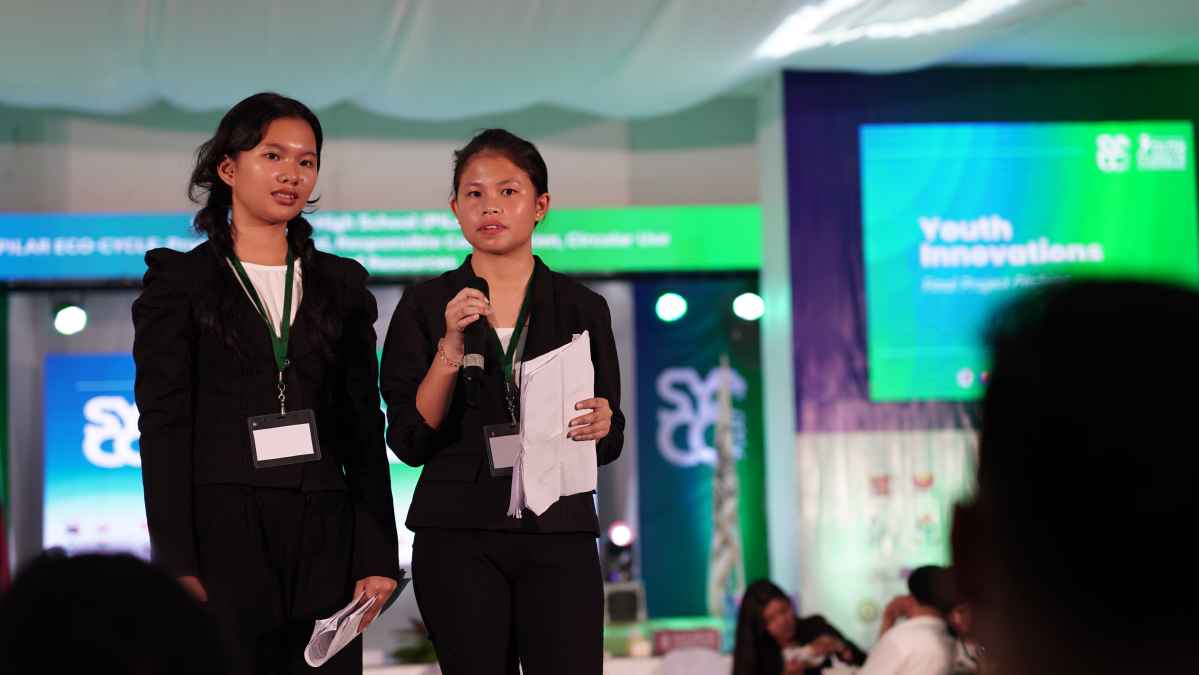
Action Against Hunger organised the conference in partnership with Del Carmen Town Council, through the Siargao Green Economy Project. The organisation designed a process lasting several months, during which young people from across the island identified environmental problems in their communities, consulted local stakeholders and developed concrete proposals to tackle them.
Throughout August and September, participants took part in innovation and co-creation workshops, which culminated in the conference with the presentation of projects focusing on the circular economy, biodiversity conservation, sustainable agriculture, climate resilience and sustainable livelihoods.
“The Siargao Youth Climate Congress provides a platform for young leaders to learn, collaborate and develop innovative solutions to some of the most pressing challenges facing island communities,” said the national director of Action Against Hunger, Suresh Murugesu.
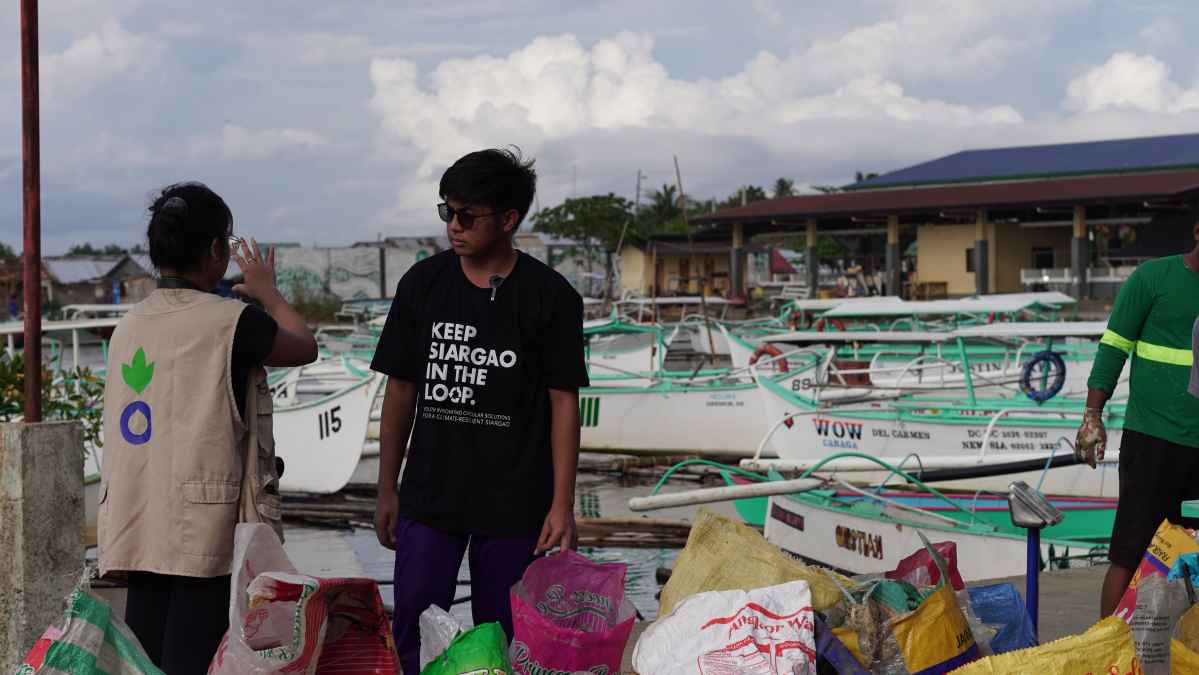
As well as providing opportunities for discussion and training, Action Against Hunger organised practical activities and field trips on waste management, the circular economy and nature-based solutions, linking the young people’s proposals with existing initiatives on the island.
Spanish Cooperation’s support for a more resilient Siargao
Spanish Cooperation played a prominent role throughout the event. The AECID, which funds the project, took an active part in the conference’s sessions, discussions and activities.
Francisco Quesada, programme director at Spanish Cooperation, emphasised that tackling Siargao’s complex challenges requires a shared vision and collective action. “Success demands partnerships between local governments, communities, schools and universities, civil society organisations, the private sector, national government bodies and development partners. It requires us all to work together towards a shared vision for Siargao’s future,” he said.
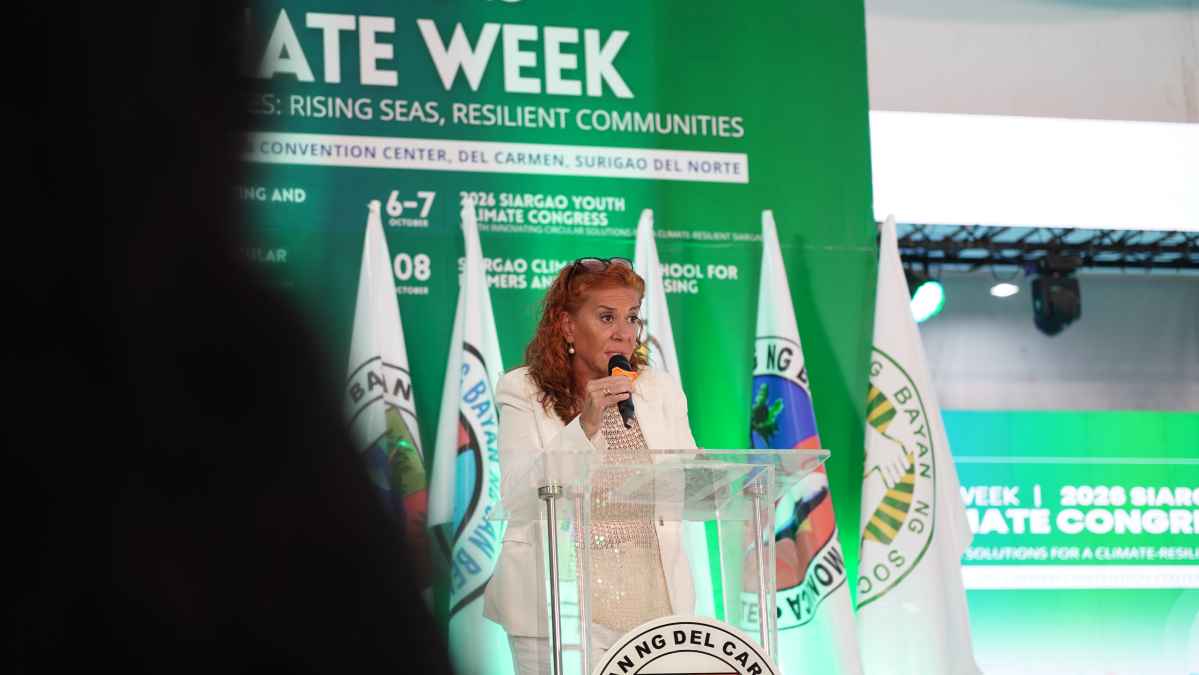
Violeta Domínguez Acosta, head of Spanish Cooperation in the Philippines, also spoke, expressing her support for youth leadership on climate issues and highlighting the importance of incorporating gender, resilience and sustainability into development policies.
- Commitments for a more sustainable future
One of the main outcomes of the conference was the drafting of the Siargao Youth Climate Manifesto, a collective document setting out the priorities and commitments of the island’s young people. The text calls for greater youth participation in decision-making, enhanced protection of ecosystems, investment in sustainable livelihoods and greater cooperation between public institutions, civil society and the private sector.
Following the event, Action Against Hunger and its partners will work to disseminate the manifesto amongst local and national stakeholders and to promote the incorporation of its recommendations into debates on the environment and development. Furthermore, some of the projects presented by the young people will receive guidance, mentoring and support to facilitate their implementation.
The initiative highlights how climate action, the protection of ecosystems and the strengthening of livelihoods are closely linked to the well-being and food security of communities. Through youth leadership, institutional collaboration and the support of Spanish Cooperation, the Siargao Youth Climate Congress has promoted local solutions to tackle some of the challenges posed by the climate crisis in one of the most vulnerable regions of the Philippines.
