
A Safe Arrival Amid Uncertainty: How Baby Mohammad Got the Chance Every Child Deserves
When conflict forced Ali and his family to flee their home in Nabatiyeh, South Lebanon, survival became his only priority.
With ten children depending on him, the sudden displacement left the family without a home, an income, or any certainty about what would come next. For several days, they moved from place to place searching for safety, carrying little more than what they had managed to take with them.
The uncertainty became even greater as Ali's wife entered the final weeks of pregnancy. Ali recalls, “We left everything behind and did not know where we would go or how we would provide for our family. The situation was especially difficult because my wife was in her ninth month of pregnancy, and we were worried about how we would afford the delivery.”
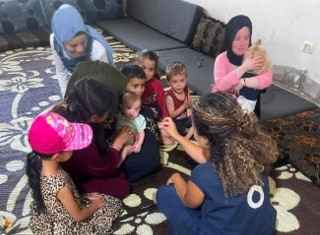
For families displaced by conflict, pregnancy often becomes another challenge. Accessing healthcare can be difficult, while the financial cost of delivery places safe maternal care beyond the reach of many households already struggling to meet their basic needs.
Through community outreach and referral mechanisms, Ali’s wife was identified as a highly vulnerable individual with a high-risk pregnancy and referred to President Elias Hrawi Governmental Hospital in Zahle. Based on her assessed vulnerability and pregnancy status, she qualified for full financial support through the integrated Health and Nutrition programme, which covered the cost of her delivery and ensured that financial hardship did not prevent her from accessing the skilled maternal care she needed.
On 9 March, she safely gave birth to baby Mohammad.
Born weighing just two kilograms, Mohammad required close medical follow-up and nutritional support during the critical first weeks of life.
The support continued beyond delivery. Mother and baby were enrolled in maternal nutrition and Infant and Young Child Feeding services, providing continued care during a particularly vulnerable period.
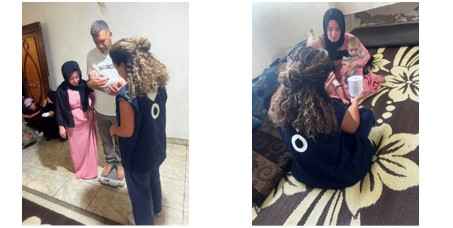
The mother received nutritional counselling and supplements to support her recovery and breastfeeding. During follow-up home visits, health workers identified challenges with breastfeeding and provided practical coaching, reassurance, and continued counselling to help her establish safe feeding practices and gain confidence in caring for her newborn.
Because Mohammad was born with a low birth weight, he also received specialized nutritional support in line with established medical protocols. The family was provided with an infant formula and a Breast Milk Substitute (BMS) kit as a temporary, medically indicated intervention while breastfeeding counselling continued to protect and strengthen breastfeeding whenever possible.
Today, Mohammad is steadily gaining weight and growing stronger. Regular follow-up visits continue to monitor his development while supporting his family's nutritional and healthcare needs. Ali says, "The support we received helped my wife and my baby during one of the hardest moments of our lives. They made sure my wife received the care she needed and gave my son a healthier start in life."
Although displacement continues to shape the family's daily life, Ali's hopes remain firmly focused on his children's future. Ali explains, "My hope is that my children can have a better future, continue their education, and live a life with dignity and security."
Baby Mohammad's story reflects the importance of reaching vulnerable families before a medical emergency becomes a crisis. Through support from the Lebanon Humanitarian Fund (LHF), Action Against Hunger provides integrated maternal and newborn health and nutrition services that accompany families from pregnancy through the first months of a child's life. By combining community outreach, referrals, safe delivery, maternal nutrition, infant feeding support, and continued follow-up, the programme helps mothers and newborns receive the care they need when they are most vulnerable.
For Ali's family, that support meant far more than covering the cost of a hospital delivery. It ensured that a mother could give birth safely, that a fragile newborn received the care he needed to grow stronger, and that, even in the uncertainty of displacement, one family could begin to look beyond crisis toward the future with hope.
