
Lives on Hold: Stories of Displacement in Lebanon
Months after renewed hostilities forced thousands of people from their homes across Lebanon, many families remain displaced, unable to return due to ongoing insecurity, damaged housing, restricted access to their villages, and the loss of livelihoods.
In collective shelters across the country, displaced families continue to navigate daily challenges while trying to preserve their health, dignity, and sense of belonging. Funded by Italy through the Italian Agency for Development Cooperation (AICS), Action Against Hunger is supporting displaced communities through integrated humanitarian assistance, including food assistance, healthcare services, shelter rehabilitation, water and sanitation improvements, and the distribution of essential relief items.
The stories below offer a glimpse into the realities of displacement through the experiences of five people whose lives have been profoundly affected by the conflict.
I Want to Feel That I Belong Somewhere Again: Tawfika's Story
"Even if my house is no longer there, I want to return."
For 52-year-old Tawfika, home was never simply a place to live. In Kfartebnit, South Lebanon, it was where she raised her children, cared for her family, and ran the small kiosk that sustained their livelihood after her husband was severely injured during the conflict. He lost his eyesight and part of his leg and now relies on a prosthetic limb, leaving him unable to work. From that moment on, Tawfika became the family's main provider.
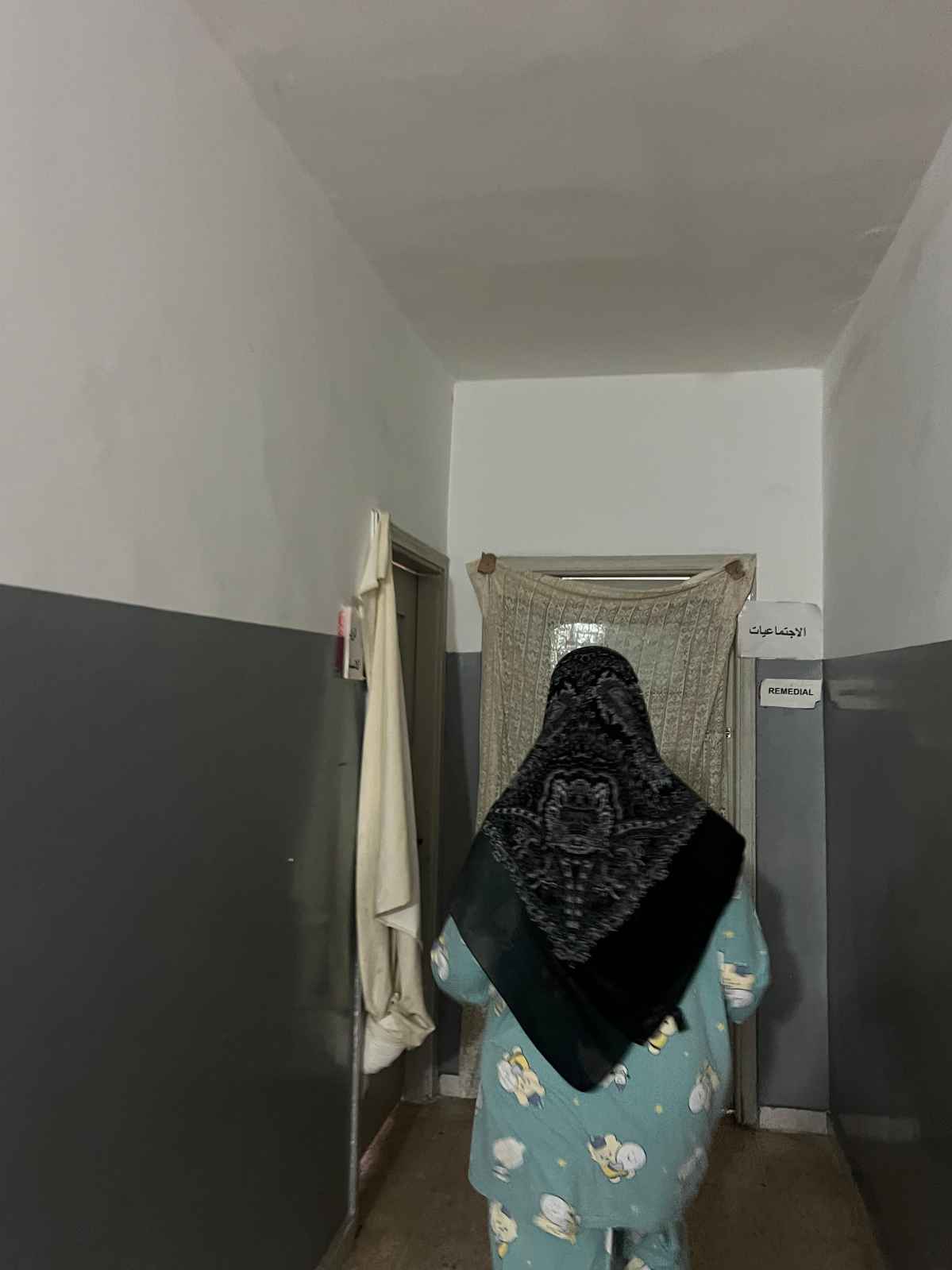
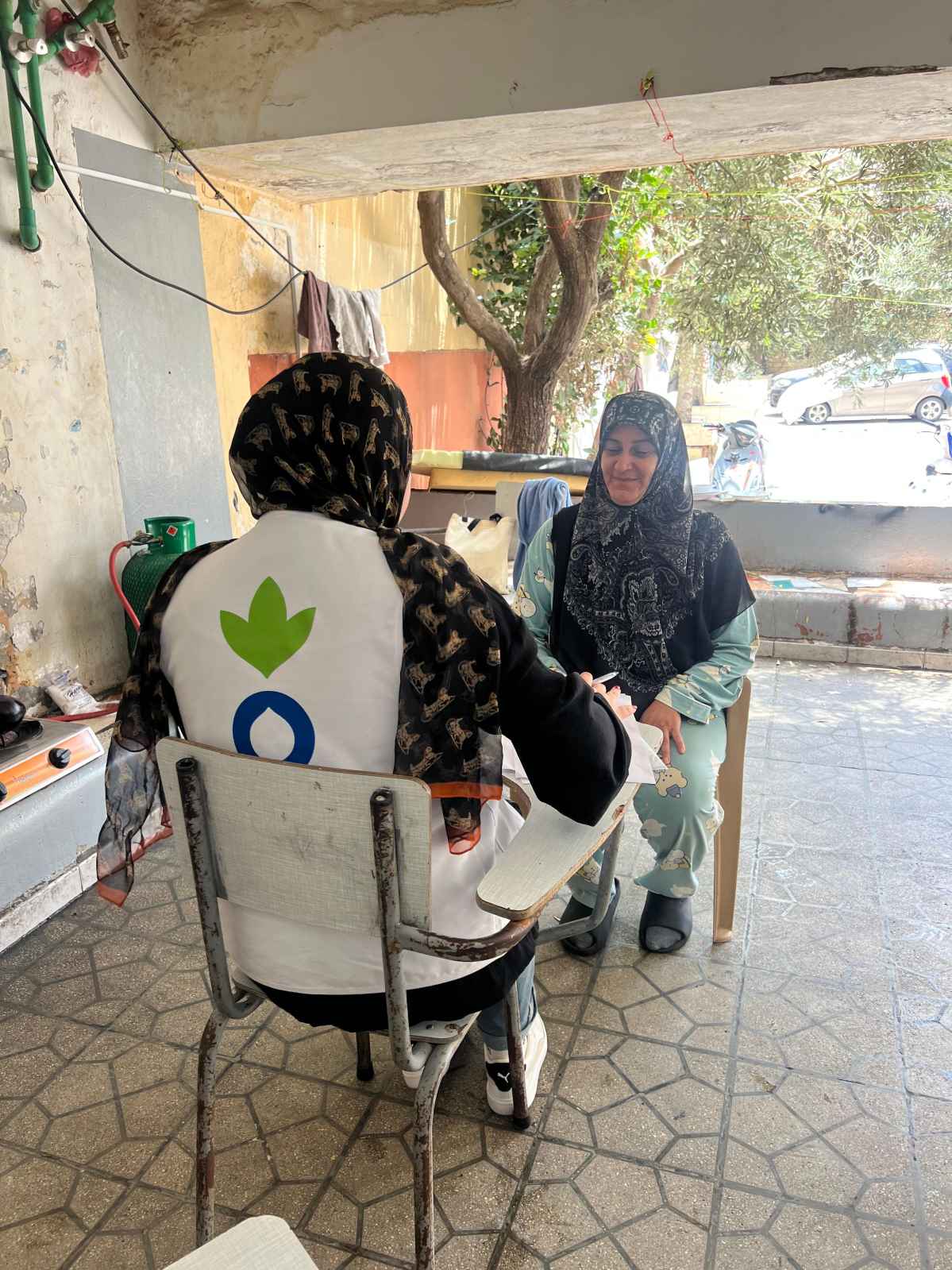
Even before the latest escalation, the family was facing significant economic hardship. To help support her household, Tawfika participated in Action Against Hunger's cash-for-work programme in Kfartebnit, where she was selected as a beneficiary based on the family's vulnerability. The opportunity provided a temporary source of income and helped her meet some of the family's essential needs at a time when livelihood opportunities were already limited.
Today, the family home and the small kiosk that once supported their livelihood have both been destroyed by an Israeli airstrike.
Since the escalation of hostilities in March, Tawfika and her family have been living in Dawood Al Ali School in Chouf, now operating as a collective shelter for displaced families. Like many families displaced from southern Lebanon, they are unable to return as insecurity and the destruction of homes continue to prevent safe and dignified return. Without an income, renting another place is simply beyond the family's means.
"Life in a collective shelter is extremely difficult," Tawfika says. "You spend your days waiting for assistance just to have something to eat. If no one helps you, you don't eat."
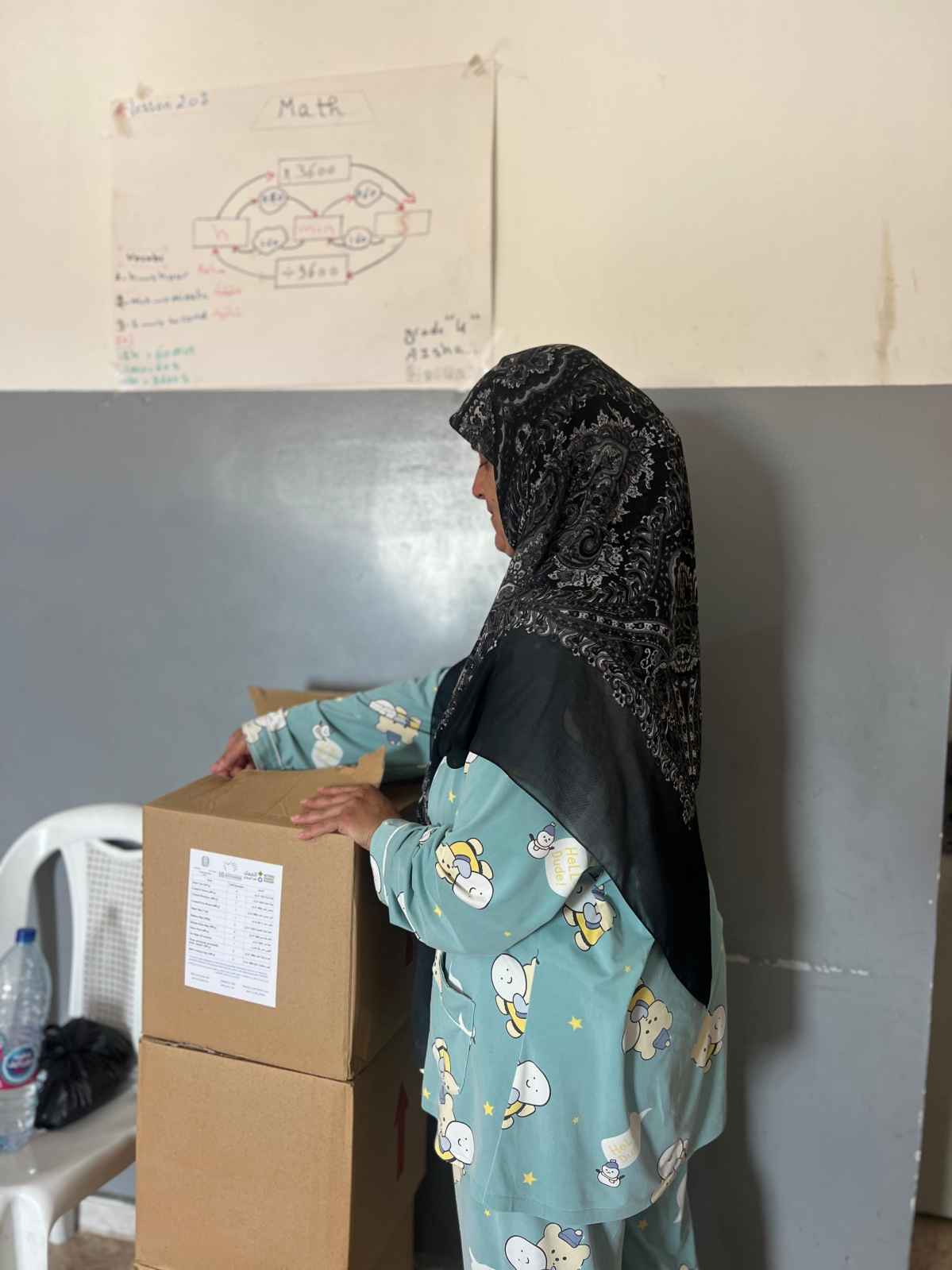
`Displacement has transformed every aspect of the family's daily life. Without work or a steady income, Tawfika struggles to afford basic household needs, clothing, and the medication her husband depends on. Living in an overcrowded collective shelter has brought a different kind of hardship, where dozens of families share limited space with little privacy, constant tension, and few opportunities to regain a sense of normalcy. The loss of her home, her livelihood, and the life she had built has left her feeling uprooted.
"I feel that I have become a displaced person with no sense of belonging anymore," she says. "I have lost hope of returning to my home."
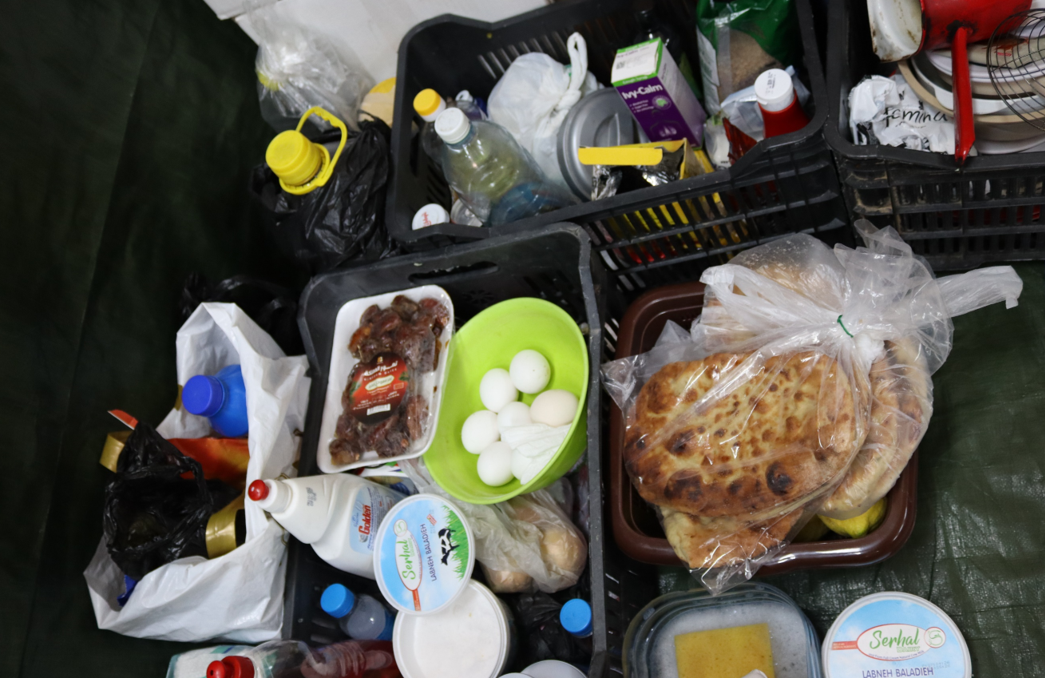
Even preparing a meal has become a daily challenge. The collective shelter has no kitchen where families can cook, leaving many dependent on food that can be eaten without preparation. Through its rapid response activities, funded by Italy through the Italian Agency for Development Cooperation (AICS), Action Against Hunger distributes ready-to-eat food kits every two weeks, helping displaced families meet immediate food needs while they remain away from home.
"This assistance fills an important gap in our daily needs," Tawfika says. "It is especially important when there are children to feed."
Despite everything she has lost, Tawfika's hopes remain firmly rooted in the place she still calls home.
"Even if my house is no longer there, I want to return," she says. "I want to feel that I belong somewhere again. I want to live with dignity, work with my own hands, and be able to make my own decisions. Every person deserves the chance to live that way."
For Tawfika, returning home is about more than rebuilding damaged walls. It is about regaining the stability, independence, and sense of belonging that displacement has taken away. Like many families affected by the conflict, she continues to face the daily challenges of displacement, from meeting basic needs to rebuilding a livelihood lost during the crisis.
Humanitarian assistance remains essential in helping families cope with the realities of displacement, but recovery requires more than immediate support. It requires safe conditions for return, restored livelihoods, and the opportunity for people like Tawfika to rebuild their lives with dignity and regain control over their own futures.
While Tawfika's experience highlights the loss of home, livelihood, and belonging caused by displacement, many families also face challenges linked to age, health conditions, and the struggle to maintain dignity in overcrowded shelters.
Finding Dignity in Displacement: Amina's Story`
Amina, 65, has lived with a chronic heart condition for years, making even everyday tasks physically demanding. Since being displaced by the renewed escalation in Lebanon in 2026 managing her health has become even more difficult. Originally from a village in the Nabatieh, Governorate Amina and her family fled their home on the very first day of the escalation, leaving behind everything they had built.
The family had already endured the consequences of conflict. Following the 2024 hostilities, Amina's son was seriously injured while farming the family's land when an unexploded ordnance detonated. The explosion resulted in the loss of part of his hand, leaving lasting physical and economic consequences for the household.
Today, Amina lives with ten other family members inside a single tent set up in a classroom within a school that has been converted into a collective shelter. The household includes four women and three children, all sharing one small space that offers little privacy while trying to rebuild their daily lives.
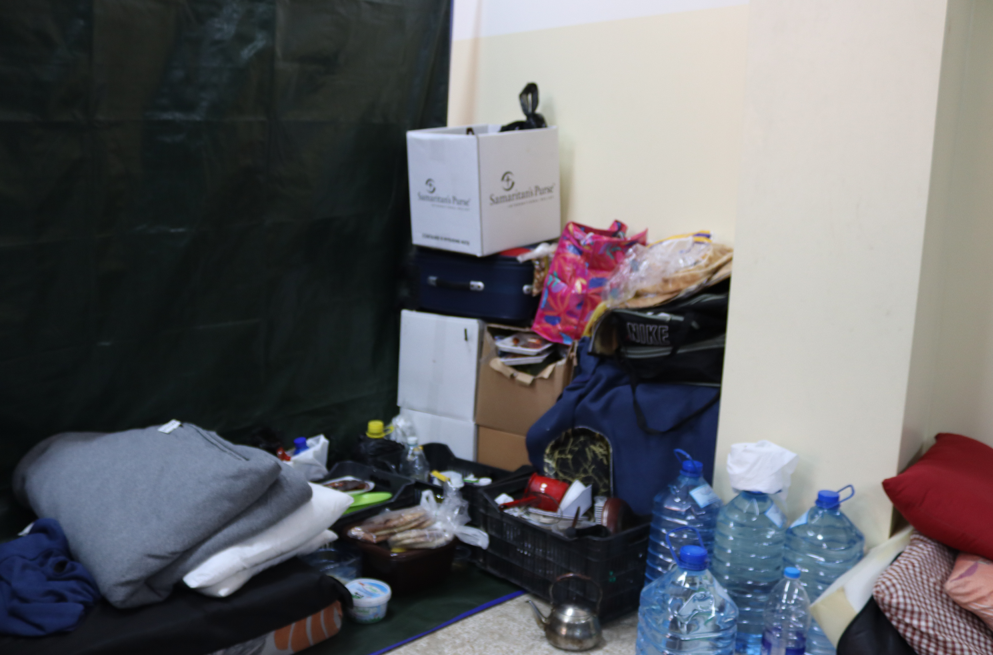
Living in such crowded conditions has been especially challenging for Amina. Her heart condition requires ongoing care, while the family struggles to meet even their most basic needs. With limited income and no stable source of livelihood, they continue to face significant financial hardship and rely on humanitarian assistance to cover essential expenses such as food, healthcare, and daily necessities.
The family sought refuge in this collective shelter in Ketermaya, Chouf, Mount Lebanon, after being guided there by a relative who had stayed in the same location during the 2024 escalation.
Funded by Italy through the Italian Agency for Development Cooperation (AICS), Action Against Hunger rehabilitated the shelter's Water, Sanitation and Hygiene (WASH) facilities by installing gender-segregated showers, latrines, dishwashing and handwashing stations, helping improve hygiene conditions while providing greater privacy, dignity for displaced families and reducing protection concerns.
Amina says, "Now we all have the opportunity to shower and wash our clothes. Before, there weren't enough toilets or washing facilities for everyone, so many people had to wait their turn or go without. Today, things are much better."
For families like Amina's, these improvements go beyond infrastructure. They help restore a sense of dignity, improve daily living conditions, and reduce health risks while displacement continues.
Although the family's future remains uncertain, they continue to hope for the day they can safely return home and begin rebuilding their lives. However, with hostilities continuing in parts of Nabatieh, return remains out of reach for many displaced families. Until then, humanitarian support remains essential to help them cope with the ongoing consequences of conflict.
Improvements in shelter conditions can make daily life safer and more dignified, but for families caring for people with disabilities, displacement often creates additional barriers and challenges.
All We Want Is a Place to Call Home Again
When Zeinab speaks about the past two years, she measures time by the homes her family has lost.
Originally from Khiyam, the family first got displaced to Nabatieh before the second escalation of conflict. Then, in March 2026, they were forced to flee once again, eventually finding refuge in a collective shelter in Rayyan, Chouf. Today, after losing both the home they owned and the one they rented, they have nowhere to return.
Life in the shelter has been especially challenging for Zeinab's youngest son, Khalil, who lives with a physical disability caused by complications during birth. Limited mobility affects both his arm and leg, making everyday tasks such as climbing stairs painful and exhausting. The family's room is located on the upper floor, forcing Khalil to navigate damaged stairs each day. Sleeping has also been difficult, as he still does not have a suitable mattress to support his condition.
The family of five shares a single room with two other families. Without partitions, privacy is almost nonexistent, adding another layer of stress to daily life. Zeinab's husband, who once owned a small espresso stand in their hometown, has been unable to work since their displacement. A hand injury from an accident and a chronic back condition have further limited his ability to earn an income, placing additional strain on the family. Meanwhile, Zeinab manages asthma and eczema without regular access to the medical care she needs.
When the family first arrived, conditions inside the shelter were difficult. Water was scarce, toilets were in poor condition, there was no hot water, and long queues for showers often led to tension among residents. Damaged stairways also posed a daily safety risk, particularly for people with limited mobility like Khalil.
Funded by Italy through the Italian Agency for Development Cooperation (AICS), Action Against Hunger rehabilitated the collective shelter to improve living conditions for displaced families. The intervention has made daily life safer and more dignified: toilets and showers were repaired, hot water became available, and a water filtration system now provides access to safe water for drinking and cooking. A new dishwashing station has strengthened hygiene practices, while repaired stairs have improved mobility and accessibility within the shelter, particularly for people with disabilities.
"Before, every trip up and down the stairs was a source of worry," Zeinab says. "Now my son can move more safely, and that gives me peace of mind."
Despite these improvements, challenges remain. Khalil still lacks a supportive mattress that would allow him to sleep comfortably, while families continue to live without cooking gas, making it difficult to prepare meals. The quality of the food provided also falls short of meeting their needs. Living with a disability in a collective shelter means that many of Khalil's needs remain unmet, affecting everything from his mobility and rest to his overall quality of life. Today, the family remains displaced in the Chouf area. With their home in Khiyam destroyed and their village among those where return remains restricted, they have no home to return to and continue to rely on humanitarian assistance to meet their basic needs.
For Zeinab, these are constant reminders that displacement continues long after the immediate emergency has passed. Yet she refuses to let hope fade. "Our dream is simple," she says. "We want to return home and rebuild our lives."
She expresses her gratitude to Action Against Hunger, the shelter focal point, and all the organizations supporting displaced families, not only for improving living conditions but also for treating people with kindness, dignity, and respect during one of the most difficult chapters of their lives.
Alongside infrastructure improvements, many displaced families continue to depend on essential relief items to make temporary shelters safer and more livable, particularly during harsh weather conditions.
A Dry Place to Sleep: Fatima's Story
Fatima was displaced from the Maamoura area in Beirut's southern suburbs during the escalation in Lebanon. Even months later, she vividly remembers the night her family was forced to flee.
"It was the first night of displacement and during the month of Ramadan. We left at dawn to escape and stayed on the road until eight o'clock in the morning, not knowing where we were going."
Like many displaced families, Fatima has not been able to return home. Ongoing insecurity and the damage to her house continue to prevent a safe return. Fatima explains, "Going back home is almost impossible right now because of the current situation and the damage our house has sustained."
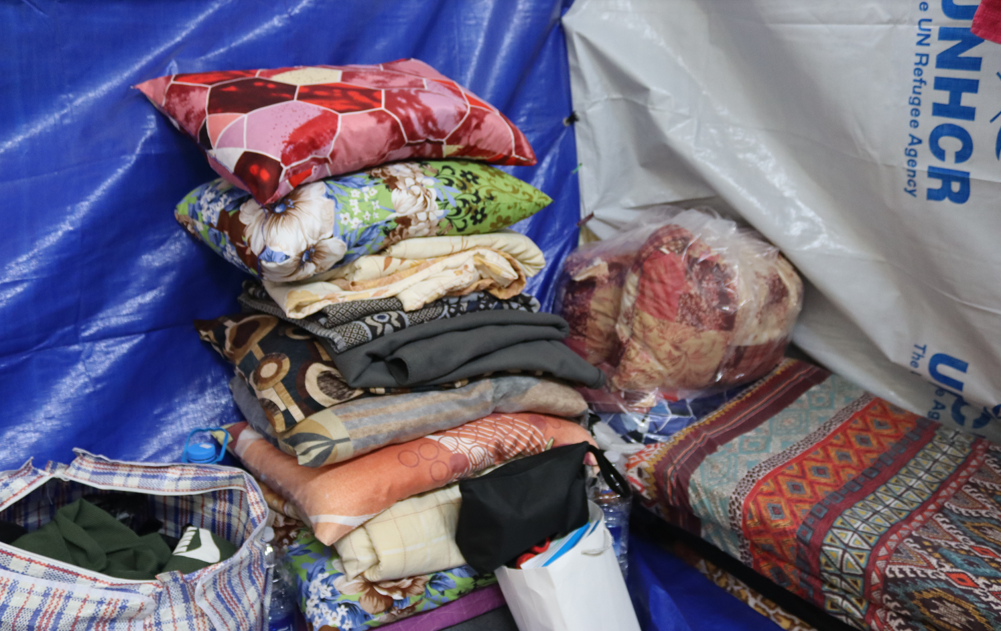
When winter arrived, Fatima and her family found shelter in a collective shelter that was not designed to accommodate such a large number of displaced people. The building suffered from water leakage, while essential relief items such as mattresses, pillows, and blankets were in short supply.
Fatima explains, "We slept on wet mattresses because rainwater leaked into the building. Humidity and mold were everywhere. There weren't enough mattresses, so we would place one mattress sideways for more than one person to sleep on."
Living in these conditions made an already difficult displacement even harder, particularly during the cold winter months.
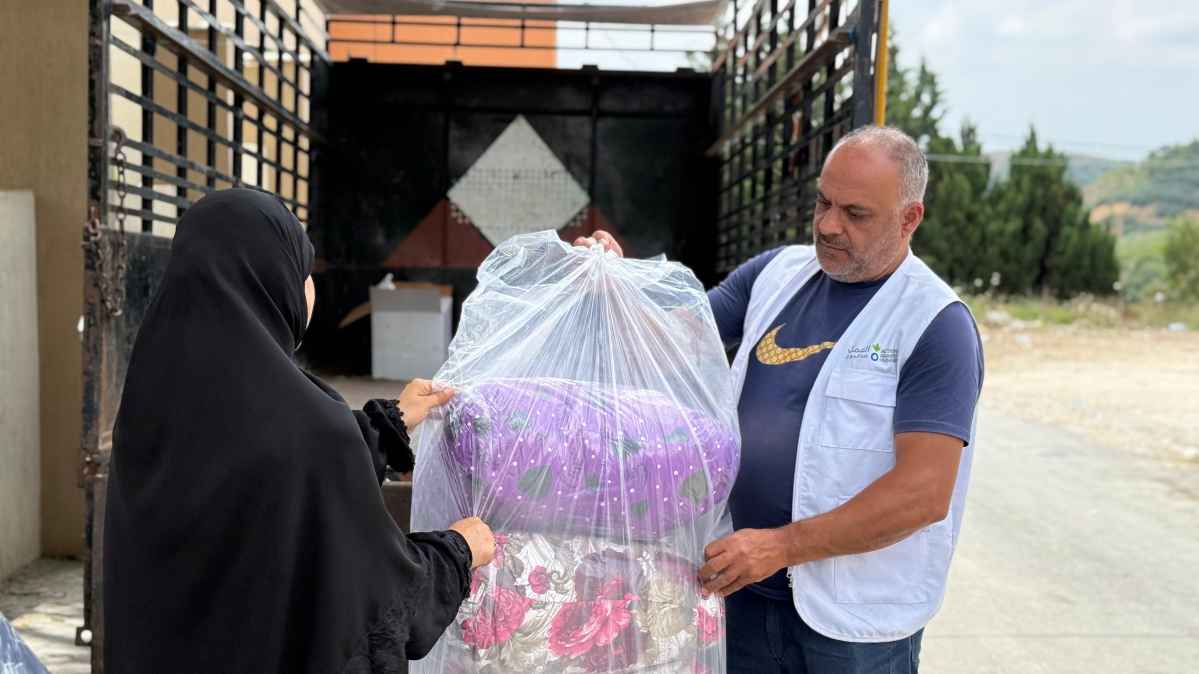
Funded by Italy through the Italian Agency for Development Cooperation (AICS), Action Against Hunger provided essential relief items to families living in the collective shelter, including mattresses that helped improve their living conditions and restore a sense of dignity.
Receiving a new mattress made an immediate difference for Fatima and her family. Fatima says, "Getting new mattresses changed everything. We finally had a dry and safe place to sleep, and for the first time since we were displaced, we felt a sense of comfort again."
For families forced to leave everything behind, access to basic relief items can make everyday life safer and more dignified while displacement continues. Reflecting on the support, Fatima says, "Thank you to Action Against Hunger for standing by us and supporting us during this difficult time. Your assistance brought back a little comfort and a sense of safety when we needed it most."
Beyond shelter and household needs, access to healthcare remains a critical concern for displaced families, especially for parents seeking to protect the health and wellbeing of their children.
A Mother's Peace of Mind in the Midst of Displacement
When Zahraa fled her home and arrived at Lebaa School on 2 March 2026, she was determined not to let displacement interrupt her children's healthcare. In her arms were her six-month-old twins, who were approaching an important milestone in their early childhood: their routine vaccinations.
Like many mothers forced to leave everything behind, Zahraa worried that the disruption would prevent her children from receiving the healthcare they needed. Missing vaccinations could leave them vulnerable at a time when their lives had already been turned upside down.
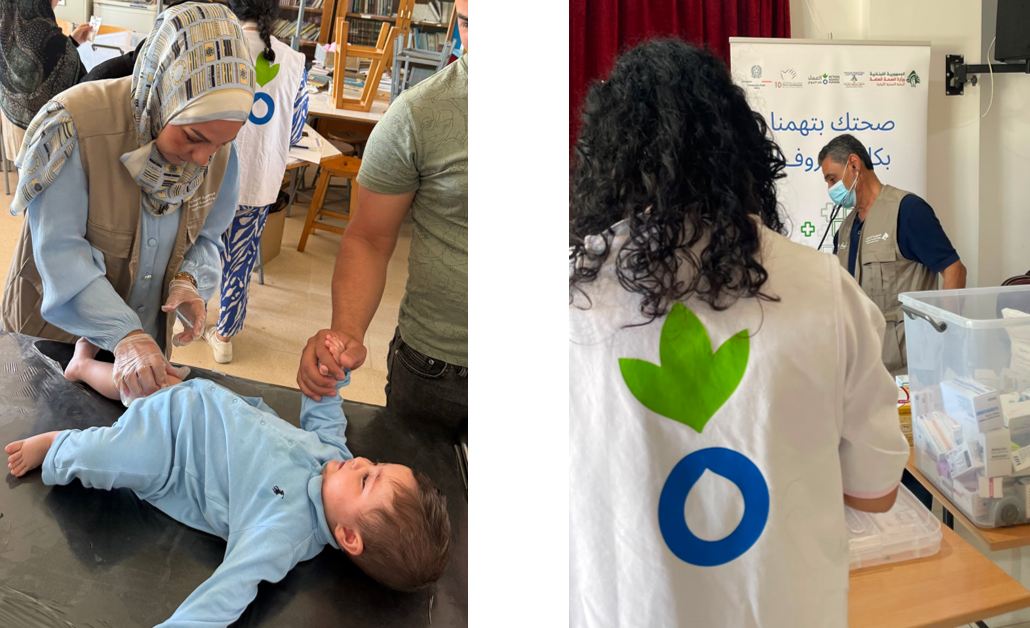
That worry eased when she learned that healthcare services were available inside the shelter through the Rita Tohme Primary Health Satellite Unit (PSU), funded by Italy through the Italian Agency for Development Cooperation (AICS) and implemented by Action Against Hunger.
The health team welcomed Zahraa and her children, providing regular medical consultations and carefully monitoring the twins' growth and development. Following examinations by the PSU doctor, the babies received their routine vaccinations on time, ensuring they remained protected despite the challenges of displacement.
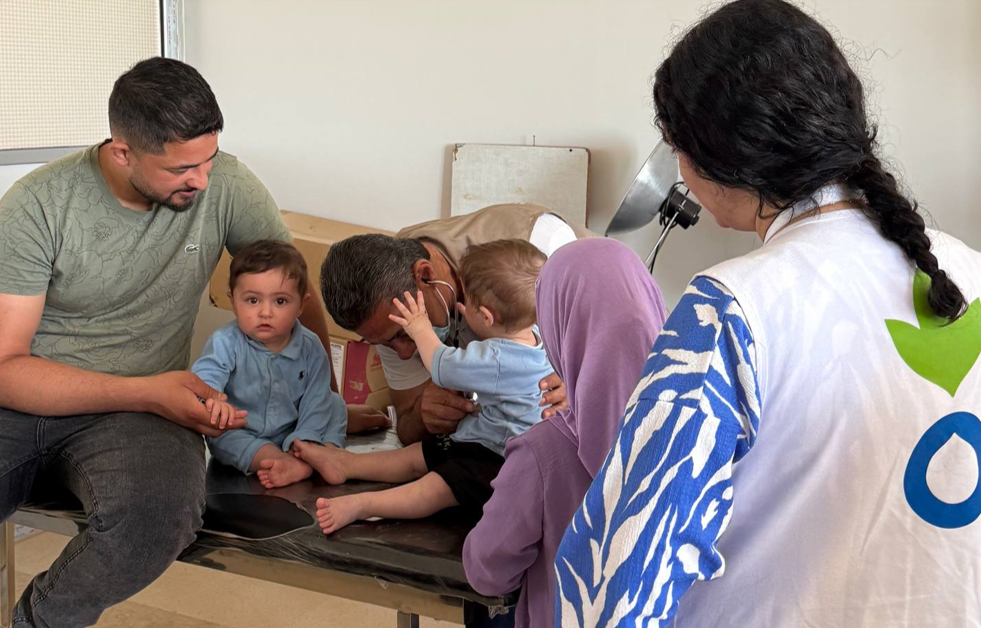
Today, the twins are nine months old, healthy, and continuing to thrive. Looking back, Zahraa says that having healthcare available within the shelter gave her more than medical support. It gave her peace of mind during a very difficult period.
For Zahraa, access to healthcare meant one less burden to carry. For her twins, it meant a healthier start to life, proving that even in times of crisis, essential healthcare can provide protection, hope, and dignity.
Beyond Immediate Assistance
Although their circumstances differ, Tawfika, Amina, Zeinab, Fatima, and Zahraa share a common experience: displacement has disrupted every aspect of their lives. Many remain unable to return home due to destroyed housing, ongoing hostilities, restricted access to their villages, or the loss of the livelihoods they once relied upon.
Humanitarian assistance continues to play a vital role in helping families meet immediate needs, from food and healthcare to safe shelter, water, and sanitation. Yet their stories also highlight a broader reality: recovery requires more than emergency support. It requires safe conditions for return, restored livelihoods, accessible services, and opportunities for families to rebuild their lives with dignity.
Until those conditions are in place, thousands of displaced people across Lebanon continue to wait, hoping not only for assistance, but for the chance to return home and shape their own futures once again.
